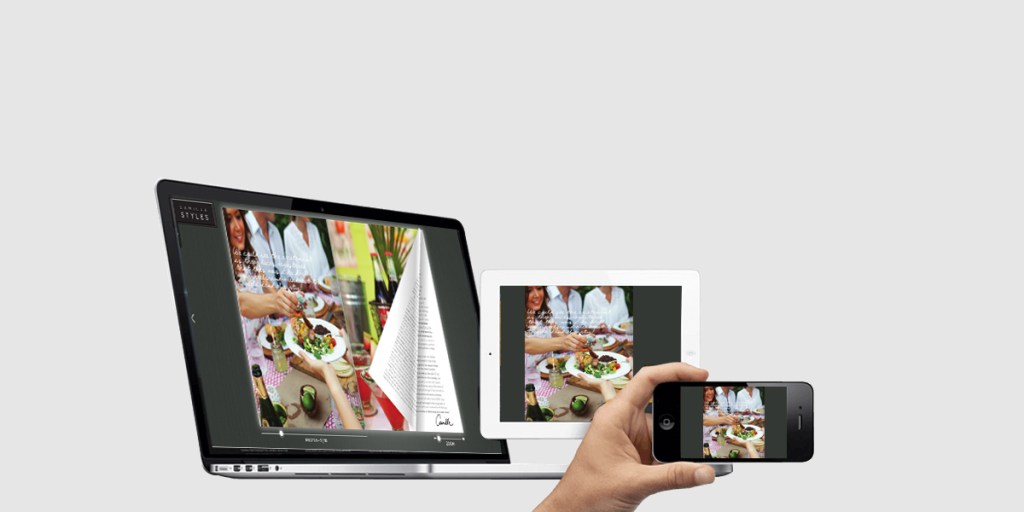
Choosing the right digital edition software will depend on the goals, budget and audience. Search for tools that adapt to your responsive design, interactive features, robust analytics, and distribute easily. Think about the platforms you’re creating content for and test before you go all in—whether it’s magazines, catalogs, or reports.
You’ve decided to go “digital” with your publication. Exciting times ahead! Whether it’s a new print magazine or a glossy product catalog or an annual report, the software you choose will make all the difference. Do it correctly and your readers will be turning pages filled with gorgeous, engaging pages on any device. Go astray, and you will find yourself dealing with awkward layouts and disgruntled readers.
The good news? For anyone and everyone, there is a tool to make it digital. The hard one is determining which one will fit you! In fact, there are dozens of platforms claiming to deliver the world, and it can be hard to keep track.
What do you mean by Digital Edition Software?
Let’s first briefly touch on the what before getting into the how. Digital edition software allows you to transform this “print” material, such as PDFs, into interactive, navigable web-based publications. Consider page-flip magazines, interactive catalogs, and downloadable reports that your audience can view on their phone, tablet or desktop.
The best tools are more than just tools to show your pages. They include clickable links, embedded videos, animation, even shopping. Your flat print piece comes to life!
What are the Qualities of a Digital Edition Software?
Not all platforms are created equal. Below are some of the critical elements that make the great tools great.
- Is it Responsive, Mobile-Friendly?
This is a must. Approximately over 50% of web traffic is from mobile platforms, meaning that your digital editions simply need to be incredibly good on mobile devices.
Search for software which can automatically modify content for any device. Some platforms will provide a “mobile view” that will reformulate text and images to make them easy to read, without the pinch and zoom. Believe me, your readers will thank you!
- What Interactive Features Does It Have?
The knack of digital editions is that they really do come in handy in these situations. While static pages are fine, interactivity is what will keep readers engaged. If you are considering tools, consider:
- Clickable links that lead your readers to your website or product pages.
- Use embedded video/audio to make stories come to life.
- Additional detail without clutter – pop-ups/slideshows
- Buying options from the page with shoppable hotspots.
For retailers who publish seasonal catalogs, for instance, it’s an enormous value to receive shoppable links. Embedded video testimonials may be important for a nonprofit to share in a report of impact.
- How effective the analytics?
What can’t be measured can’t be improved. By using strong analytics, you’ll know how readers are interacting with your content, which pages they are spending time on, which links they are clicking, and where they are dropping off.
This information is gold! It is informative and assists you to improve your next edition. Pay attention to a platform that has a detailed and readable dashboard, not a summary.
- Easy to distribute and share?
How can we have a beautiful ebook if people can’t find it? Sharing is easy with great software. Search for products that offer the following features:
- Embed publications directly on your website.
- Use one link on all platforms (social media and email)
- Provide PDF versions for download to read offline.
- Keyword relevance is crucial for search engine optimization (SEO).
- Will it fit into your budget?
There are a lot of different prices in this area. There are some sites that charge a flat monthly fee, and others that charge for every publication or page view. A few even offer free plans for smaller projects!
If you have a limited budget, and your requirements are straightforward, use a platform that fits your budget. If interactivity and analytics are the key to your business’s bottom line, however, some of the extra cost of premium features may be worth it.
How to Pair Software with Content Type?
Here’s a piece of advice that will help you avoid a lot of headaches: consider what you are posting before you select a tool.
- Magazines and newsletters get page-flip effects, archive capabilities and subscriber management.
- Product catalogs must include shoppable links, zooms and easy e-commerce integration.
- Reports and whitepapers must have clean layouts, easy download and lead-capture forms.
An online platform designed to showcase a fashion catalogue might be too much for a quarterly newsletter. It makes sense and makes good business sense to match the tool to the task.
What are the advantages of testing before you commit?
Always try before you buy a long term plan! The majority of the most trustworthy platforms provide a free trial or demo—take advantage of them.
While trialing, upload a sample of your actual content. Has the conversion been done cleanly? Is there an intuitive use of interactive features? Does it work on your cell phone? There’s nothing a feature list can tell you like hands-on testing will.
Be sure to look at the support provided, as well. A responsive customer service makes all the difference when things go wrong (and when they do!), to make this happen. PageTurnPro digital edition software is known for its high-priority support.
Conclusion
You don’t need to be under any stress when choosing Digital Edition Software. First, write down what you want, then draw up a sensible budget and pare the list down to 2 or 3 possible choices. Next test the resulting items with actual content.
Keep in mind that best software is the software that’s right for your goals, audience and resources. Be patient, trust the trial process and in no time at all you will be able to publish digital editions that your readers will look forward to exploring.


Leave a Reply