Digital Publishing: Basics & Beyond!
Digital publishing is the use of digital technology to publish content in web pages, e-books, mobile applications, and other formats.
The digital revolution has transformed publishing by making it possible for people to publish their documents online and reach an international audience at little or no cost. The Internet has made it easier for publishers to connect with their readers in new ways, opening up new opportunities for publishers to make money through their publications.
The main advantages of online publishing over traditional offline publishing include:
Publishing is faster than ever before: You don’t have to wait months or even years before your publication goes live. You can publish your publication right off the bat.
You can reach an unlimited number of readers: With traditional printing methods, you were limited by the number of copies that could be printed at once, which made it difficult for small or niche publishers to reach a large audience. But thanks to digital technology, anybody can publish a book and set it up so that anyone with access to the Internet can buy it instantly.
You have more control over pricing: Because e-books don’t require any physical production costs (e-books are just files), they are usually cheaper than print versions of the same book.
History of digital publishing
The history of digital or online publishing can be traced back to the early days of the computer. In the 1960s, researchers at MIT developed a program that allowed users to type in their own text and have it appear on a screen as they typed. This program was known as MacPaint, and it was so popular that MIT charged for access.
Online publishing made its debut in the 1980s with the advent of desktop publishing software like PageMaker and Adobe Pagemaker. These programs were typically used by graphic designers who wanted to create professional-looking newsletters and brochures using computerized templates and fonts. They also had the ability to create newsletters in multiple languages, which was unusual at the time.
In 1991, Adobe launched Adobe PostScript, which became known as PostScript. This technology enabled users to create digital documents that could be scaled up or down without having quality loss due to resolution problems. The foremost application built with this technology was Adobe Acrobat Reader 5, which allowed people to view PDF files on their computers instead of having to print them out from a printer.
Digital or online publishing is environment-friendly
The online publishing industry is helping to save the environment by reducing paper waste. Digital publishing is a procedure of distributing information or entertainment products through electronic means, usually over the Internet or via a wireless connection. The term is commonly used to refer to both the online dissemination of information and content and the electronic publication of books, newspapers, and magazines.
Online publishing reduces paper waste by eliminating the need for printed copies of books, magazines and other content. This implies that fewer trees are cut down to make paper, which contributes less pollution into our air and water supply.
In addition, this mode of publishing also eliminates the use of ink cartridges needed for printing on paper. This helps save additional resources as well as money because instead of buying new ink cartridges every time you run out of ink (which happens frequently), you simply create a digital publication.
By opting for digital versions of your favorite reading material, not only will you be saving trees but also money.
Advantages of Digital Publishing for Business Owners
Digital publishing is an amazing way for business owners to reach their customers. It is also a great way to promote your products and services, and it can help your company grow.
Here are a few of the advantages of digital or online publishing:
- Your content will be viewed by millions of people all over the globe.
- You don’t need to spend money on printing or shipping costs, which implies that you can keep more money in your pocket.
- You have complete control over your content, so you can update it whenever you want without having to worry about the cost of producing new copies of the publication.
- If somebody wants to read something that you published online, they can just click on it and start reading right away!
What is digital or online publishing software?
Digital or online publishing software is a category of software that allows users to easily create high-quality publications. The digital publishing market is growing rapidly and it has been predicted that by 2020, digital printing will make up 80% of the total print market.
Online publishing software helps users to create interactive and engaging publications that meet their needs. It can be used for many different purposes such as eBooks, marketing material, brochures, and more.
The publications created using the publishing software can be read on a variety of devices, including computers, tablets, and smartphones. The process is similar to creating a word processing document but with some added features in the form of templates and other tools that are specifically designed for creating digital publications.
The user interface is intuitive and easy to use so you don’t have to be an expert in order to use it.
Further, the software allows you to build an index for your publication, add hyperlinks and even embed videos in your publication if desired. The more advanced publishing tools also allow you to create interactive publications that contain quizzes and other interactive elements that can be accessed through the Internet.
Wrapping it up
Digital publishing is the future of the publishing world. As a publisher or business owner, you should invest in online publishing to reap the benefit of digitization. Further, investing in a digital publishing software program can help you grow your reach and audience base.
-
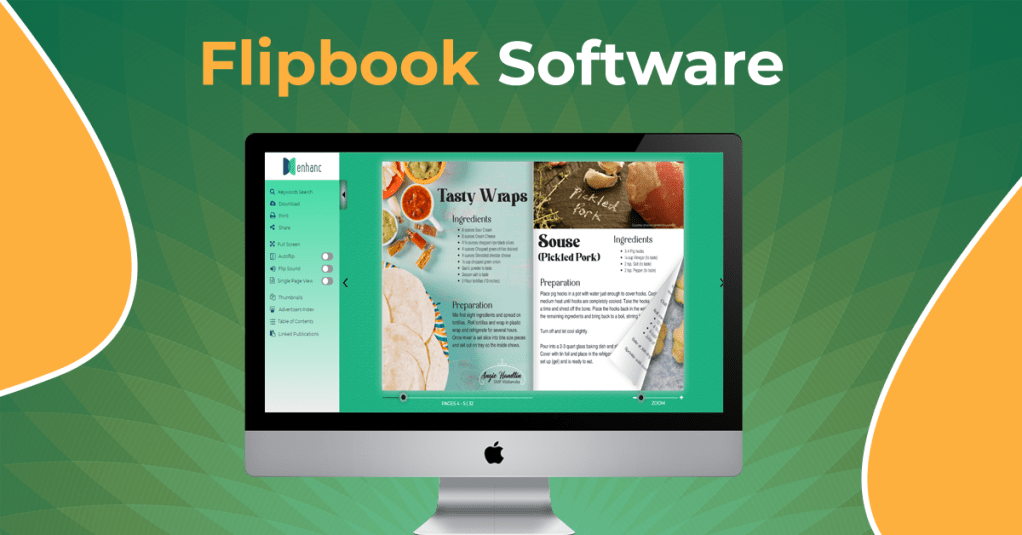
How we can use flipping book software!
This article talks about the benefits of flipping book software. Further, it talks about what flipping book software can be used for.
-

How to convert PDF to digital magazine!
This article talks about the benefits of digital magazines. Further, it talks about the steps to convert PDF to digital magazine.
-

Create e Magazine Online for your Business
This article talks about the advantages to create e magazine online for your business. Let’s dive in.
-
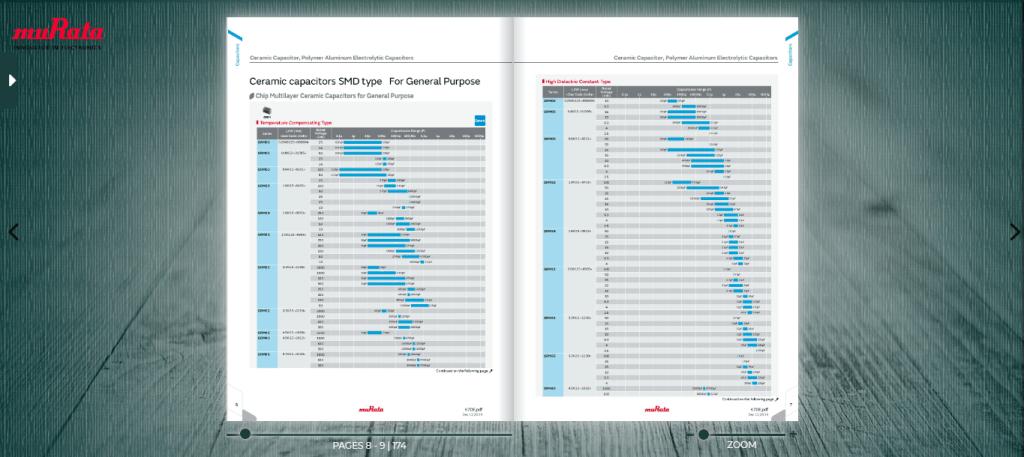
How to choose the right digital catalog maker!
Digital or web catalogs are often cheaper than traditional e-commerce stores because they don’t require as much investment in infrastructure. However, building them can be challenging because you need to create a website that works well on all devices and has a clean design. A digital catalog is a database that contains all of the…
-

Digital Magazine: How to start one!
This article talks about the digital magazine. Further, it talks about how to start a digital magazine.
-
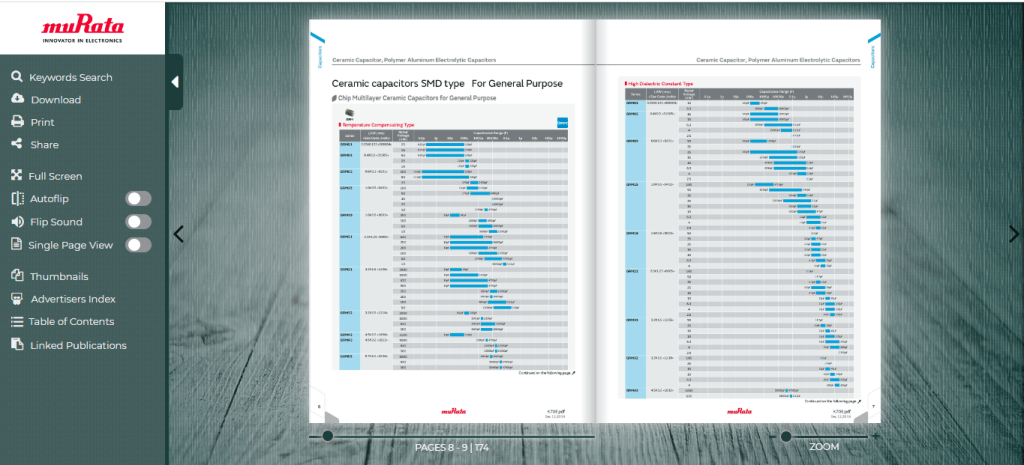
Digital Catalog: 7 Factors that Make it Better than a Traditional Catalog
This article talks about the factors that make a digital catalog better than a traditional catalog. Let’s get started.
-
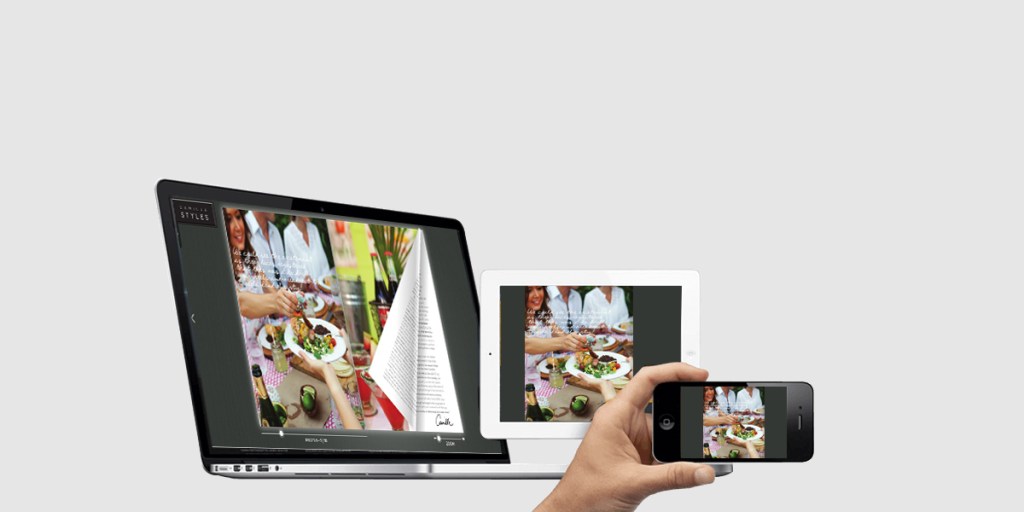
Flipbook Software: An inclusive guide!
The flipbook software can help you create a digital magazine that you can use on your website or publish it on the internet.
-
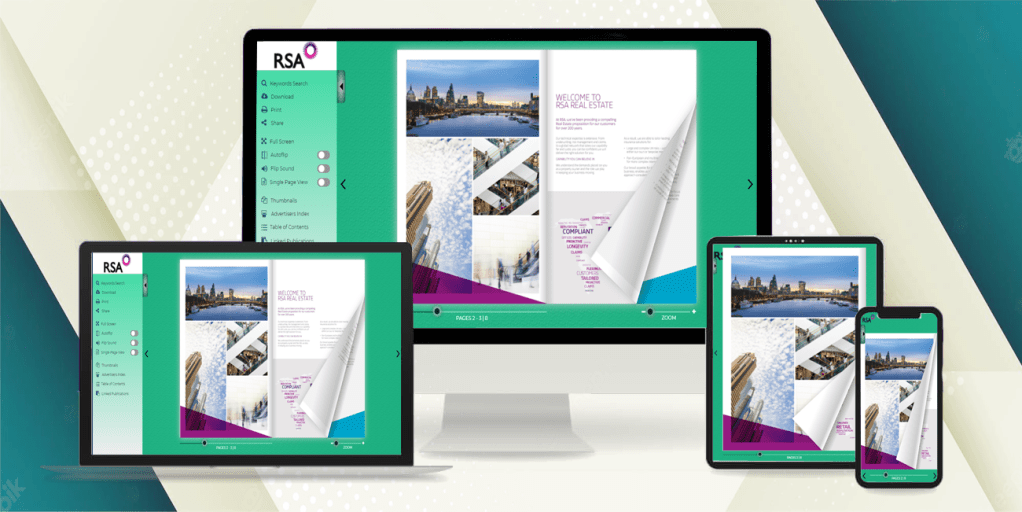
5 Factors to Pick an Online Publishing Software Solution
This article talks about online publishing software. Further, it talks about the factors to pick one.
-
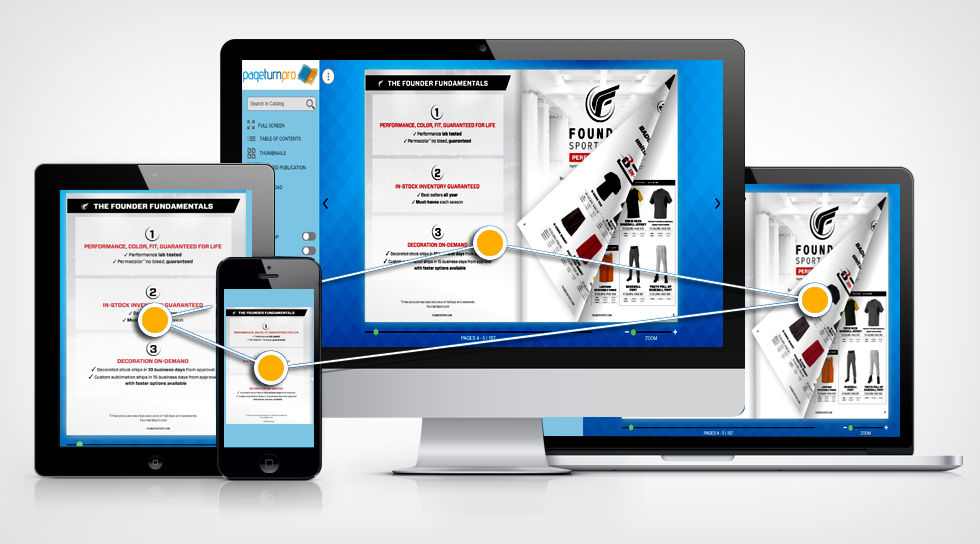
Create Digital Publications with Digital Publishing Software
This article talks about digital publications and digital publishing software. Let’s get started.
-
6 Features of a Digital Publication
This article talks about the features of a digital publication. Moreover, it talks about how to choose a digital publishing platform.
Got any book recommendations?
 Digital Publishing