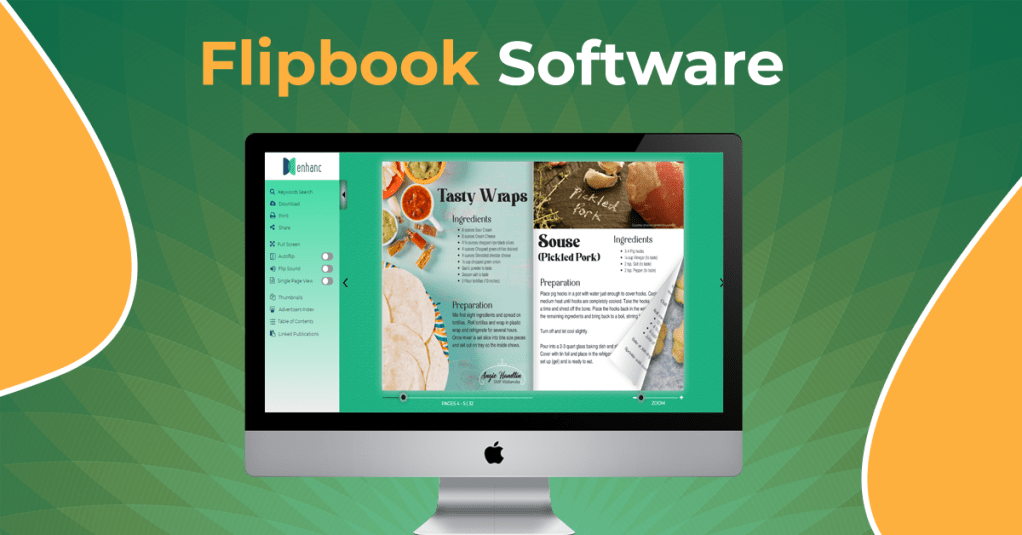
A digital flipbook is a digital version of a print book. It’s an interactive, multi-page publication where users can click through the pages as if they were reading a book. It can be created with flipping book software.
A digital flipbook has many advantages over a print book:
- It’s easier to purchase, read, and share. Users don’t have to wait for shipment, and they can access their books from anywhere in the world.
- It’s more cost-effective for the reader. The price of digital books is usually lower than that of print books.
- The format is more flexible for publishers. They can create new versions of their publications at any time without having to reprint copies.
How we can use flipping book software
1. Digital publishing
The software allows publishers to easily convert their print publications like magazines, books, catalogs, and reports into digital formats. This makes the content more accessible, shareable, and environmentally friendly by reducing paper usage.
Some key benefits of using digital flipbooks for publishing include:
- Reach wider audiences – Digital content can be viewed on any device with an internet connection, allowing publishers to reach readers globally. This expands their potential readership.
- Enhance interactivity – Digital flipbooks allow embedding of multimedia like video, audio, animations, hyperlinks, etc. This creates an engaging, interactive experience for readers.
- Track analytics – Digital formats allow publishers to track readership analytics to understand user engagement and interests. This provides valuable insight to improve content.
- Reduce costs – Digital distribution cuts printing and shipping costs associated with physical publications. This boosts profit margins for publishers.
- Easy sharing – Readers can easily share links to digital flipbooks via email and social media. This expands a publication’s reach through word-of-mouth marketing.
- Environmental benefits – Reducing paper usage for printing books and magazines is better for the environment. Digital formats help publishers become more eco-friendly.
2. Events
Digital flipbooks provide engaging and interactive ways to share event information before, during, and after in-person or virtual events. They make useful digital event programs that can include schedules, speaker bios, maps, and other practical details all in one accessible place.
Compared to print materials, digital flipbooks have several advantages for events:
- Easy to distribute to attendees through email and social media
- Information can be updated until the last minute before an event
- Multimedia elements like videos and slideshows can be embedded
- Interactivity through links, bookmarks, search
- Accessible for attendees with vision impairments via screen readers
Flipbooks also enable creative post-event content distribution. Presentation slides, photos, videos, and session recaps can be packaged together into a dynamic flipbook. Rather than a basic PDF proceedings document, attendees get an immersive wrap-up capturing event highlights.
The shareable and social nature of online flipbooks extends their reach and shelf life compared to print event programs. Audiences that didn’t attend can still engage with materials afterward. The content lives on longer and enables continued connection and conversations.
3. Personal Uses
Flipping book software provides individuals with a creative outlet to digitize physical photo albums, scrapbooks, and portfolios. Rather than keeping these personal creations confined to a shelf, individuals can use flipbook software to enhance accessibility and shareability.
For photo albums, parents can digitize years of printed family photos into an interactive digital flipbook. This allows far-away relatives to easily view and enjoy the album. Digital effects like zooming into photos can also enhance the experience. The flipbook format retains that tactile feeling of turning pages compared to websites or slideshows.
Crafters who have lovingly created scrapbooks can also benefit from digitization. Scrapbooks often contain items like ticket stubs, notes, and other ephemera that don’t translate well to digital scans. Flipbook software mimics the physical format while making it shareable. Crafters can even add multimedia like music, narration, and videos to take their scrapbooks to the next level. For artists, photographers, designers, and other creatives, digital portfolios are essential. However, flipbook software provides a more interactive way to showcase work compared to PDFs and webpages. The flipping format better represents the tactile experience of reviewing a physical portfolio. Creatives can include process videos, rough drafts, sketches, and other behind-the-scenes content. Links allow moving from the portfolio directly to the full case study or artwork. Flipbooks make portfolios more engaging and memorable.
 Digital Publishing
Leave a comment